
The Future of AI Is Already Here, and It Runs on 9 Watts
When I first read about neuromorphic computing, I thought it was theoretical physics. Turns out, it’s practical engineering that’s being deployed right now and the results are staggering.
Here’s the reality: AI systems consume about 2% of global electricity today. That’s as much as entire nations. As AI adoption accelerates, we’re facing a sustainability crisis disguised as a tech boom. But what if there was another way?
What Changed Between the Original Vision and Today’s Reality
Neuromorphic computing as an emerging concept a fascinating “what if?” about biologically inspired chips. It outlined the theory beautifully: instead of traditional chips that constantly run like calculators on overdrive, neuromorphic systems activate only when needed, firing “spikes” of information like actual neurons.
The 90% Energy Reduction That Changes Everything
Here’s where theory met practice:
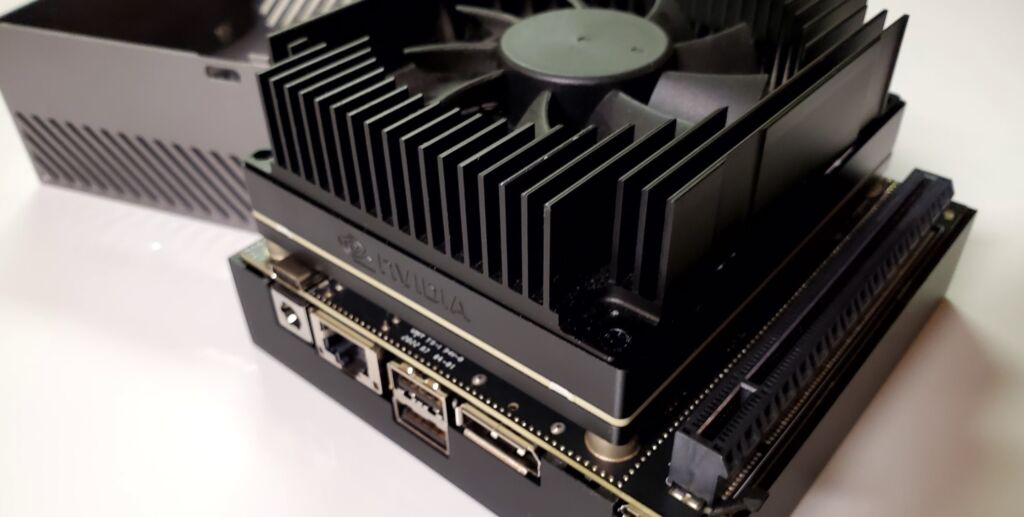
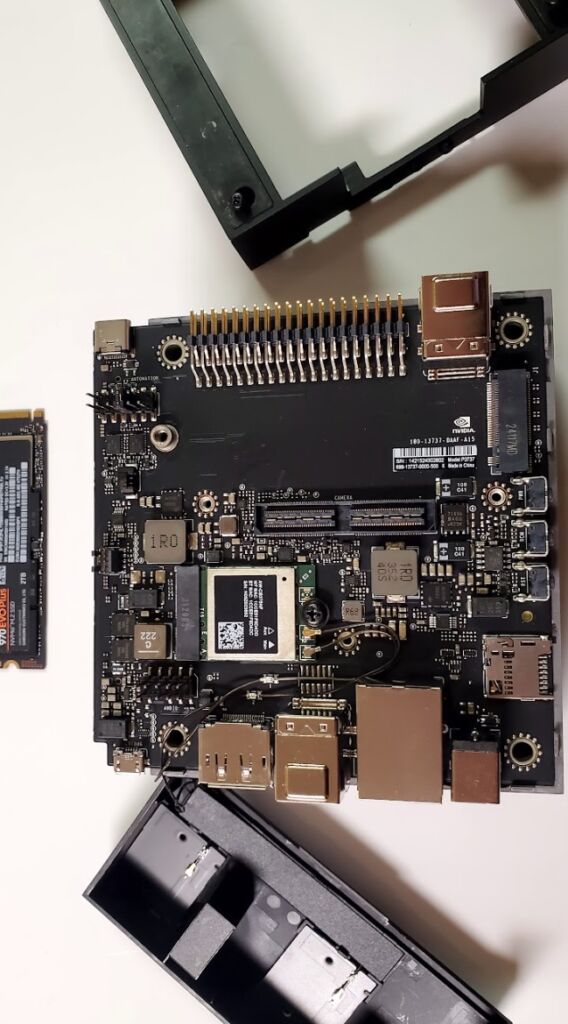
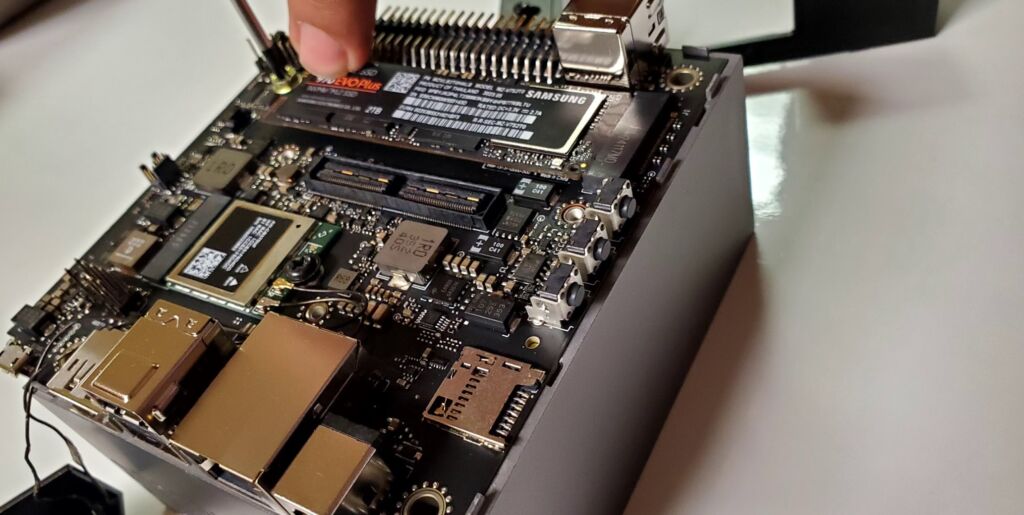
- Traditional approach: NVIDIA Jetson Orin AGX running continuous video anomaly detection = 120 watts
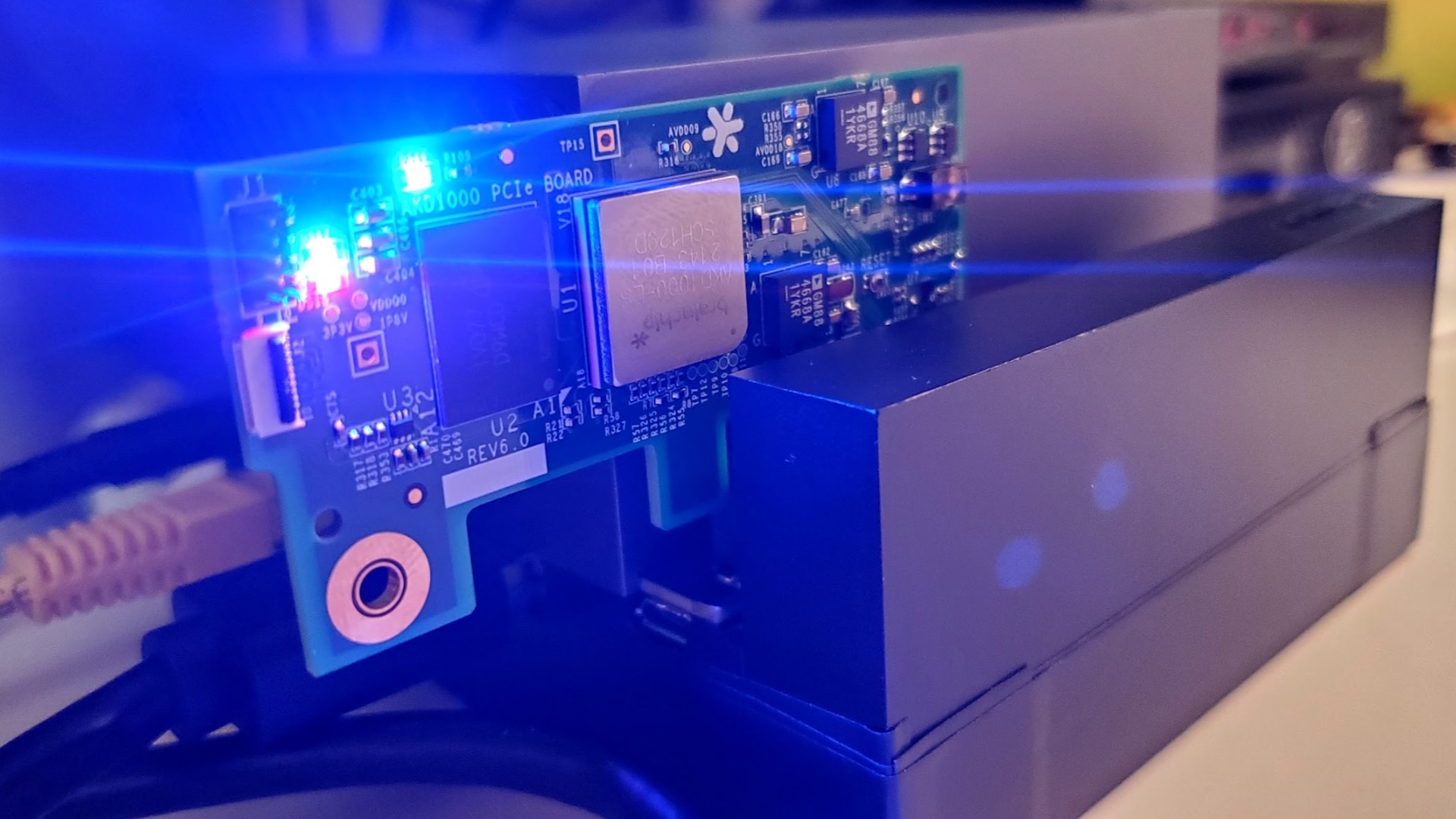
- Neuromorphic hybrid: Same Jetson + Neuromorphic BrainChip = 9 watts
- Real-world impact: A 90% energy reduction while maintaining identical accuracy
That’s not a marginal improvement. That’s not “optimization.” That’s a fundamental rethinking of how AI should work.
To put it in perspective: that’s like shutting off 1,000 household lightbulbs every single hour. Scaled globally, it’s equivalent to removing millions of cars from the road in terms of CO₂ impact.
Why This Matters for Your Industry.
If you work in sustainability, edge computing, autonomous systems, healthcare, agriculture, or defense, this isn’t just interesting it’s transformative.
Sustainability leaders now have proof that AI doesn’t have to drain your ESG goals. Operations teams can deploy AI in remote locations, off-grid sites, or disaster zones without infrastructure dependencies. Hardware manufacturers are watching the market explode neuromorphic computing is projected to grow from $500M (2024) to over $15B by 2035.
Nvidia Jetson
The Acceleration Is Real. When the original piece was written, neuromorphic computing felt nascent. Today:
Intel’s Loihi 2, IBM’s NorthPole is shipping 10-100x performance improvements
Mercedes, BMW are embedding neuromorphic chips in next-gen autonomous vehicles
Healthcare systems are piloting real-time patient monitoring on minimal power
Defense innovators are exploring neuromorphic AI for secure, autonomous systems
This isn’t coming. It’s here.
From theory to proof. The original asked “what if?” QAI answered with a hybrid system that actually works at scale.
From barriers to accessibility. Tools like Lava, Intel’s NxSDK, have democratized SNN development. You can start experimenting with a $2,500 investment (Jetson + Neuromorphic board).
From niche to mainstream adoption. Major automakers, healthcare enterprises, and defense contractors aren’t experimenting anymore they’re deploying.
The Challenges Are Real, But They’re Surmountable
Obstacles: algorithm translation, lack of standardization, limited developer education. What’s changed is the clarity that these are opportunities, not roadblocks.
If you’re a developer, engineer, or innovator, this is your moment to lead. The field isn’t saturated. The talent pool is small. The tools exist. The market is accelerating.
The question isn’t whether neuromorphic computing will transform AI.
The question is: will you be ready when it does?
If you work in edge AI, autonomous systems, sustainability, or emerging hardware I’d love to hear how you’re thinking about neuromorphic computing. Are you exploring it? Skeptical? Already deploying?
Contact us and let’s discuss what’s next.
#AI #NeuromorphicComputing #EdgeAI #Sustainability #TechInnovation #EnergyEfficiency